
- Published
- 09 Oct 2026 · 04:22 UTC
- Analysis reviewed
- 09 Oct 2026 · 08:50 UTC
- Added to portal
- 09 Oct 2026 · 06:39 UTC
- Source check
- 09 Oct 2026 · 09:57 UTC
Key judgment
Older LNG hulls are moving between trading, conversion and recycling; ownership changes do not alone add transport capacity.
Splash reports Kmarin Diamond, an 18-year-old LNG carrier of 152,000 m³, sold to Indonesian buyers for about $65 million. It also describes Grace Dahlia being sold for conversion and LNG Kano being recycled following reported cargo-tank damage.
A July report identified Indonesian purchases of older carriers, including former MISC ships renamed Golden Queena and SC Prestige. Some vessels had been laid up before sale.
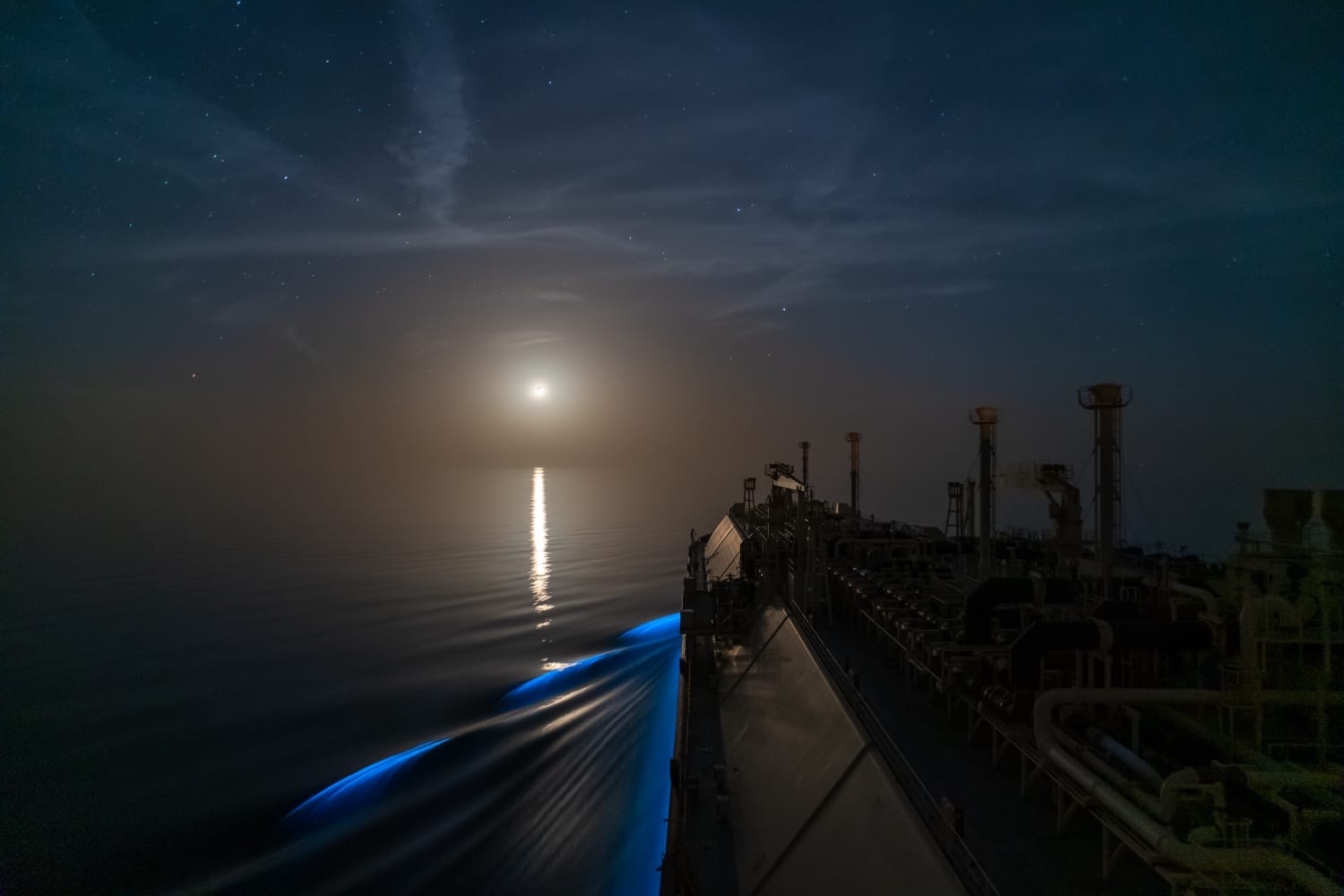 SOURCE PHOTOGRAPH
Image from the source publication.
Assessment · Ownership versus usable capacity
Our assessment: each transaction has a different capacity effect. Continued trading preserves transport capacity; FSRU or FLNG conversion reallocates a hull to infrastructure; recycling removes it. Buyer intent and actual deployment matter more than transaction counts.[1]
Energy logistics implications
The July and October accounts indicate continuity in Indonesian demand for older LNG tonnage. Survey costs, technical condition and conversion schedules will determine the resulting capacity. Confirmed return to service is the useful milestone for previously idle ships.[2]
Next decision indicators
- Trading employment versus FSRU or FLNG conversion for each named hull.
- Conversion completion dates and capacity delivered.
- Return to service of laid-up vessels and additional recycling decisions.
Publication history · 5 captured versions
Loading captured versions…
Evidence & references
Evidence scope & unresolved questions
- Sale prices and buyer intentions are trade-reported; deployment dates are not supplied.
Two accessible Splash articles · dated fleet and conversion synthesis. Dated AI-assisted synthesis; no human analyst sign-off.