
- Published
- 09 Oct 2026 · 02:27 UTC
- Source updated
- 09 Oct 2026 · 02:27 UTC
- Analysis reviewed
- 09 Oct 2026 · 09:42 UTC
- Added to portal
- 09 Oct 2026 · 07:00 UTC
- Source check
- 09 Oct 2026 · 19:23 UTC
Key judgment
Sustained forward deployment can move the readiness constraint from operations to maintenance capacity.
Vice Chief of Naval Operations James Kilby warned a public reform panel that prolonged carrier deployments defer maintenance and increase pressure on the next shipyard period.
He described workload triage, including postponed maintenance and modernization, when returning ships exceed available industrial capacity.
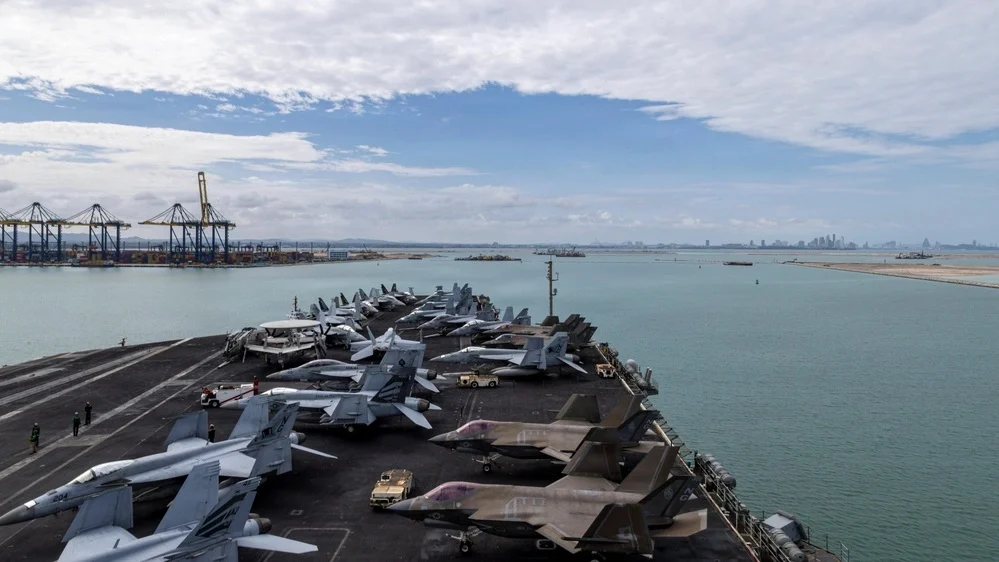 SOURCE PHOTOGRAPH
Carrier USS Abraham Lincoln arrives in Laem Chabang, Thailand after a record-setting continuous voyage at sea. Her deployment was extended twice before her return to the U.S. (USN)
Assessment · Naval readiness & maintenance capacity
Present availability does not measure the fleet’s ability to recover after an extended deployment. Yard queues, modernization omissions and future return-to-service dates are the consequential indicators.[1]
Next decision indicators
- Revised maintenance-entry and completion schedules.
- Modernization work deferred from returning carriers.
Publication history · 5 captured versions
Loading captured versions…
Evidence & references
Evidence scope & unresolved questions
Article-specific synthesis of the accessible source text; source claims remain attributed. Dated AI-assisted synthesis; no human analyst sign-off.